Leukotriene receptor antagonists such as montelukast have been associated with neuropsychiatric effects including mood changes, sleep disturbances, and behavioural changes
do not rub the site [7]
Competing interests L.M.E
3.5 Specific formation of D-malate by MSA-DH Conversion of MSA into malate in MSA-DH activity experiments was confirmed by standard HPLC experiments (Figure 4A, yellow line)

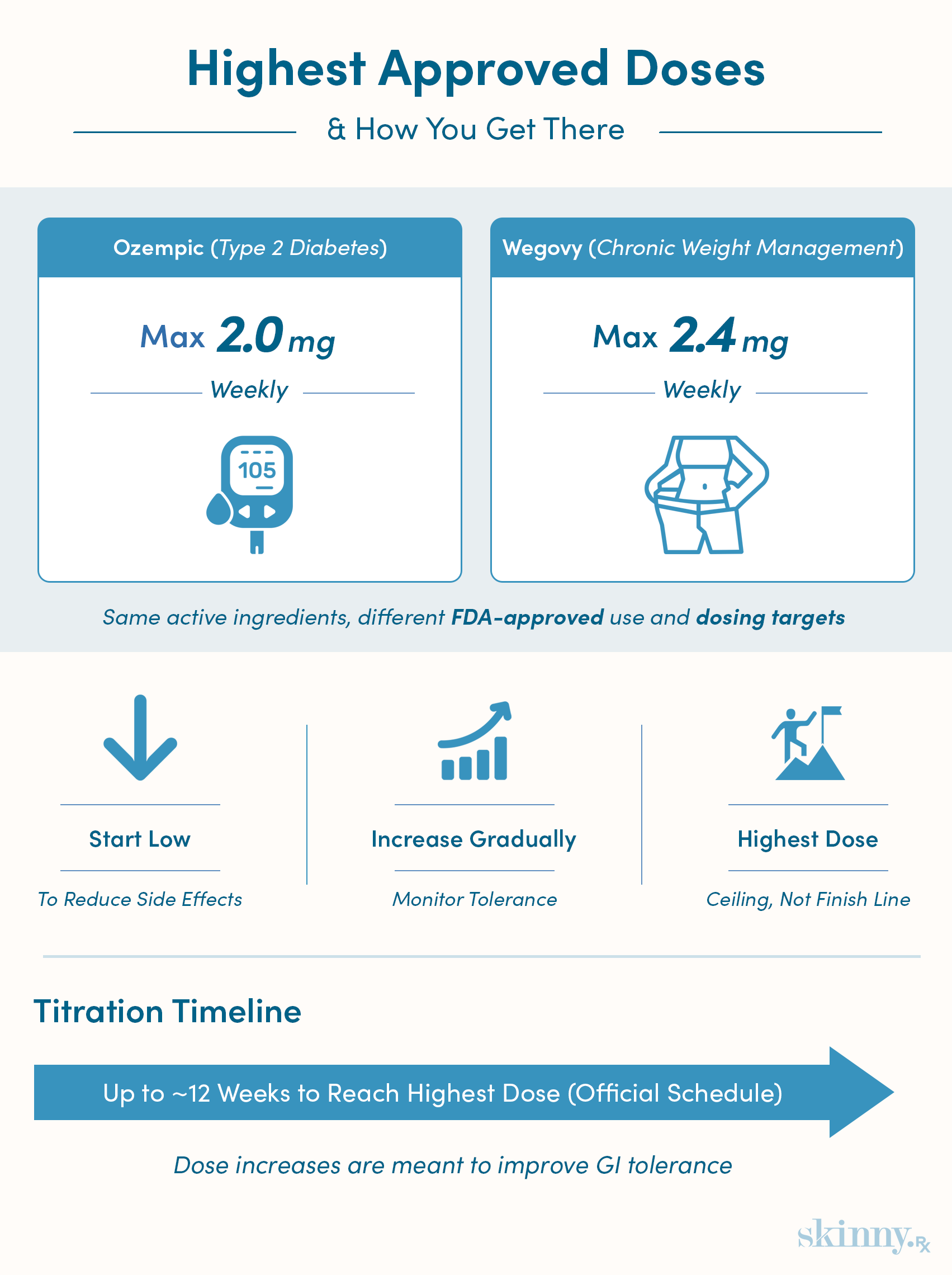
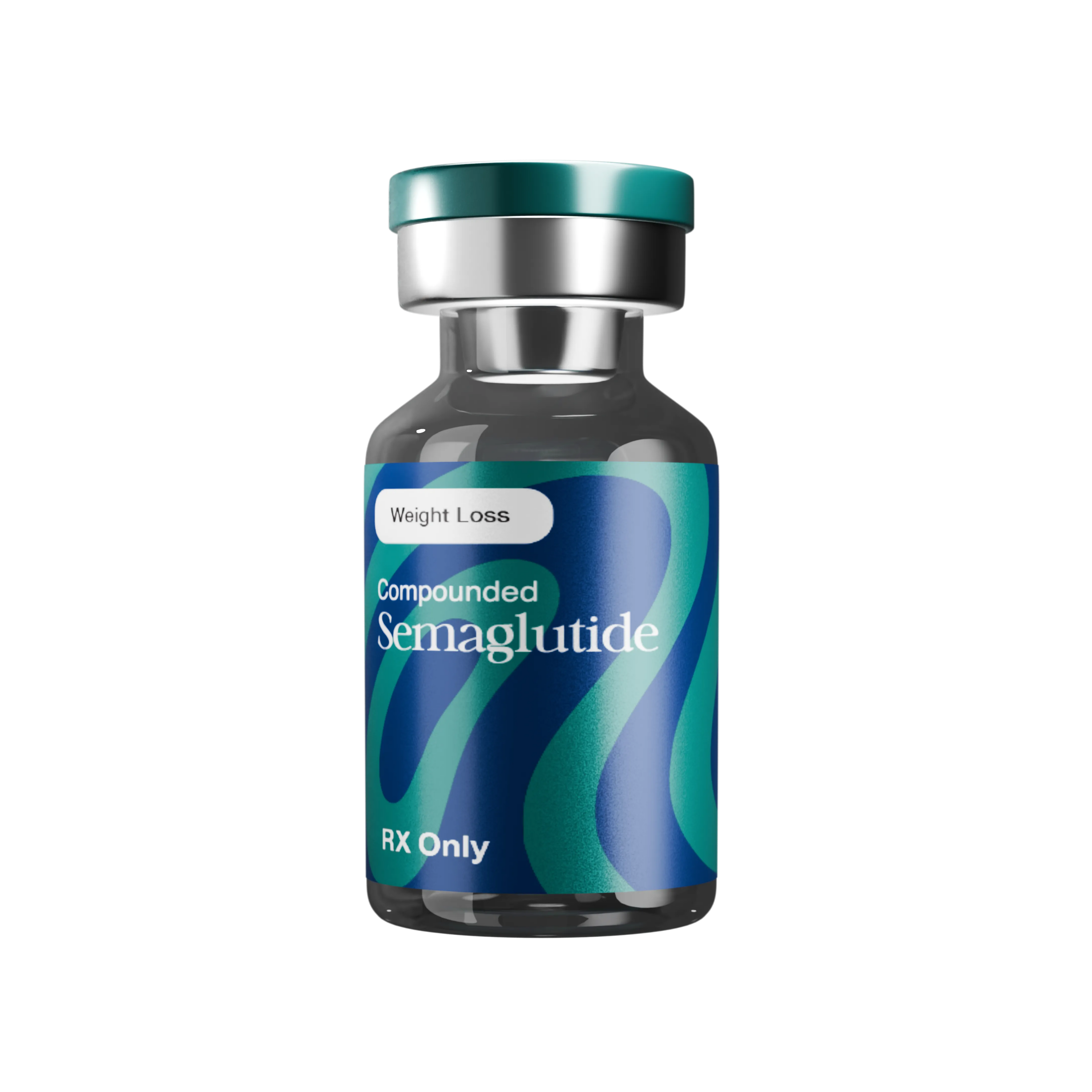
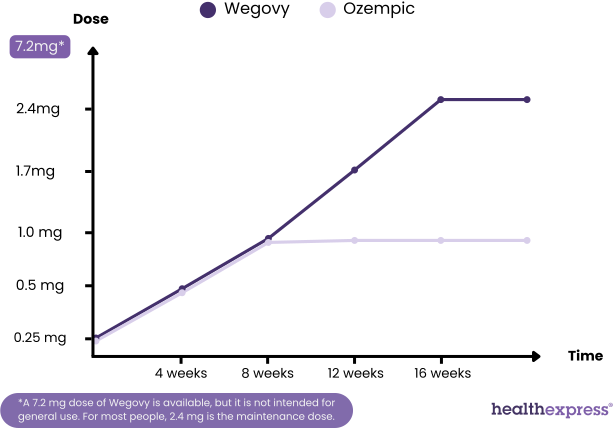
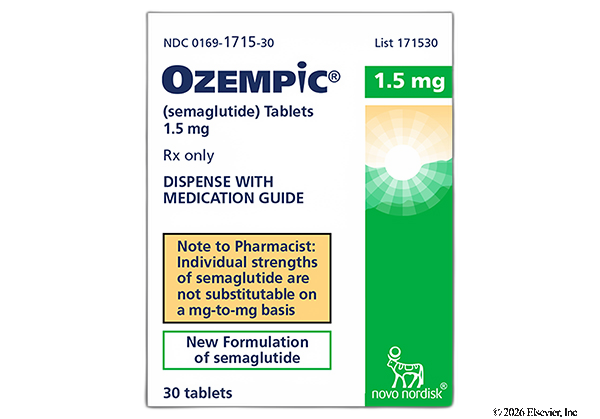
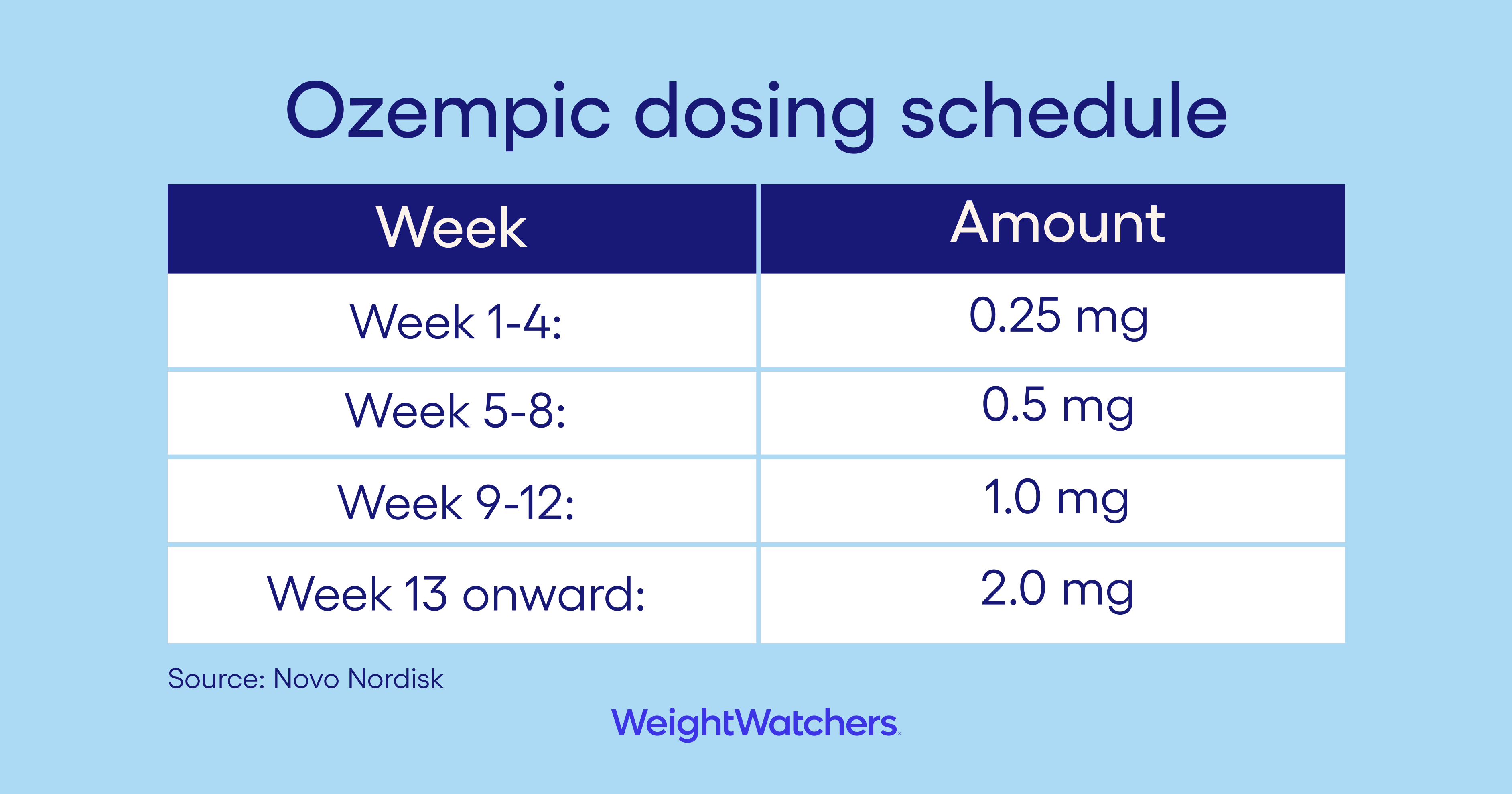
Good food sources when appetite allows: Bone broth (500-1,000mg sodium per cup) Pickles and fermented vegetables Avocado (potassium, magnesium) Leafy greens (magnesium, calcium) Nuts and seeds (magnesium) Dairy products (calcium, potassium) Electrolytes for Different GLP-1 Medications All GLP-1 receptor agonists share similar hydration challenges, but severity varies: Semaglutide (Ozempic, Wegovy) Nausea incidence: 44% of users Electrolyte strategy: 2,000mg sodium daily, increase during dose escalation weeks Peak side effect timing: Days 1-5 after weekly injection Tirzepatide (Mounjaro, Zepbound) Nausea incidence: 56% of users (highest among GLP-1s) Electrolyte strategy: 2,500-3,000mg sodium daily, especially during first 12 weeks Peak side effect timing: Days 1-3 after weekly injection Liraglutide (Victoza, Saxenda) Nausea incidence: 15-40% of users Electrolyte strategy: 1,500-2,000mg sodium daily Peak side effect timing: Daily injections create more consistent (but often milder) symptoms Dulaglutide (Trulicity) Nausea incidence: 12-21% of users Electrolyte strategy: 1,500-2,000mg sodium daily Peak side effect timing: Days 1-3 after weekly injection Regardless of which medication you're taking, start electrolytes on day one