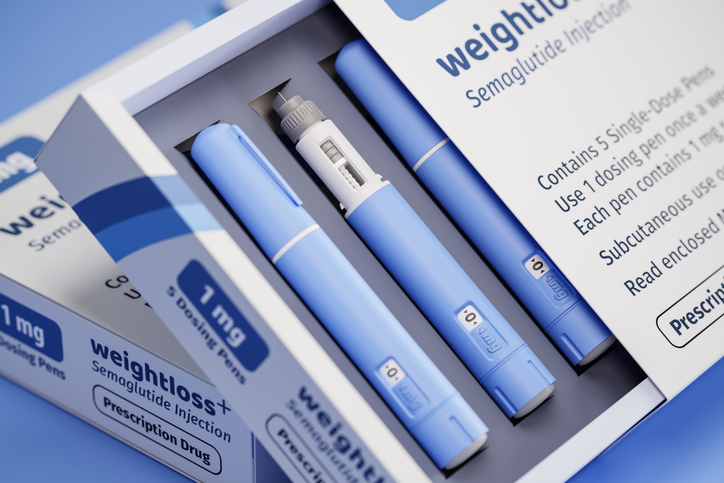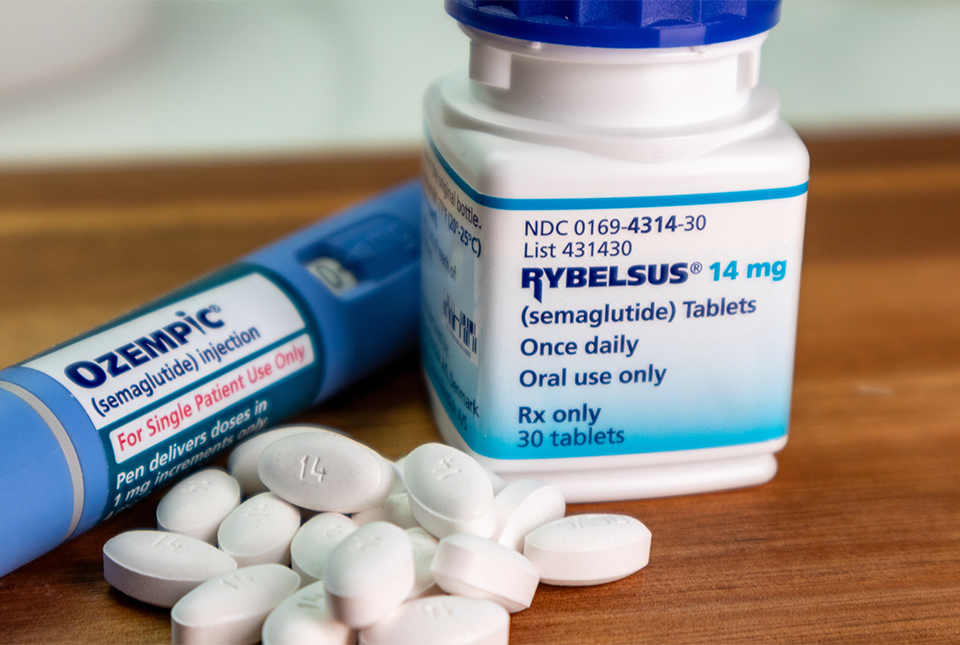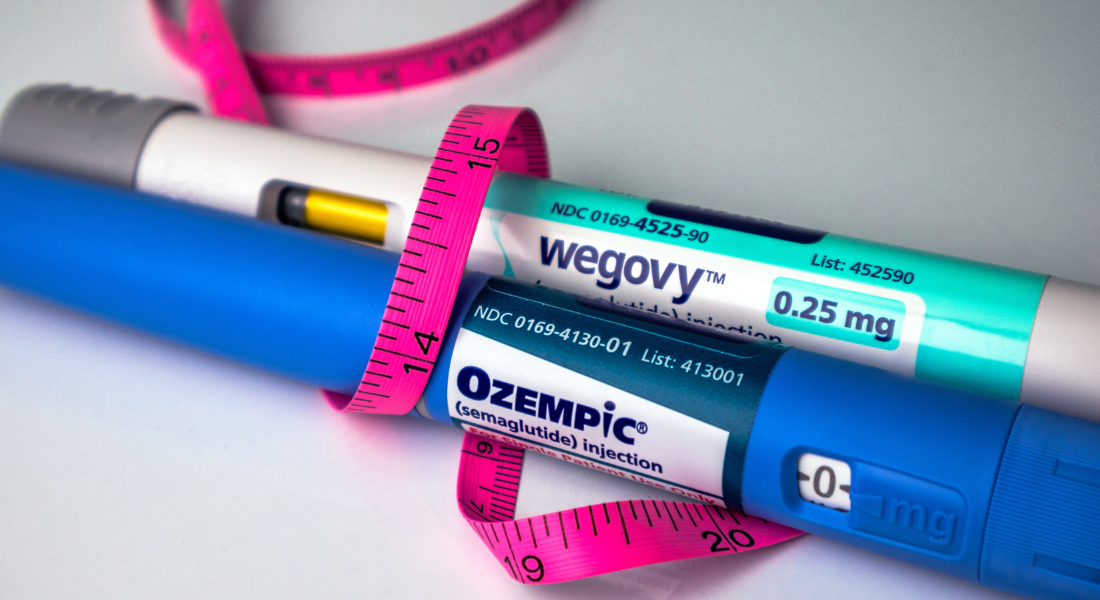
Key differences between cagrilintide and semaglutide Mechanism: Cagrilintide: Amylin receptor agonist Semaglutide: GLP-1 receptor agonist Different pathways, complementary effects Gastric emptying: Cagrilintide: Very strong effect (dramatic slowing) Semaglutide: Moderate effect Combined: Maximum slowing Appetite suppression: Cagrilintide: Works via amylin/calcitonin receptors Semaglutide: Works via GLP-1 receptors in brain Combined: Dual-pathway suppression Side effects: Cagrilintide: More nausea/GI effects (stronger gastric slowing) Semaglutide: Moderate GI effects Combined: Higher side effect risk but manageable Approval status: Cagrilintide: Investigational (not approved) Semaglutide: FDA approved CagriSema combination: Phase 3 trials Weight loss monotherapy: Cagrilintide alone: 10-12% body weight loss Semaglutide alone: 10-15% body weight loss Combined: 15-25% body weight loss Why combining cagrilintide and semaglutide works synergistically The combination targets weight loss through multiple pathways

3.10 Effect of Zn and GSH on protein banding patterns Zn and GSHs genotoxic effects on dills genomic DNA have a major effect on how some genes that encode particular proteins are expressed
Es frdert die Gewichtsabnahme, erhht den Einsatz von Fetten als Energiequelle, wodurch Fett schneller verbrennt, und ist in Phasen mit hoher Belastung effektiver
Dedication to Safety For All: Limitless Life demonstrates their dedication to the safe and responsible distribution of research peptides by emphasizing repeatedly on their website that peptides are intended for research use only
Other natural sources of Berberine include Hydrastis Canadensis (goldenseal), Berberis vulgaris (barberry), Berberis aquifolium (Oregon grape) and Berberis aristata (Indian Barberry)